Maintenance
Filter, Coil, and Condensate Drain: Three Checks That Prevent Most No-Cool Calls
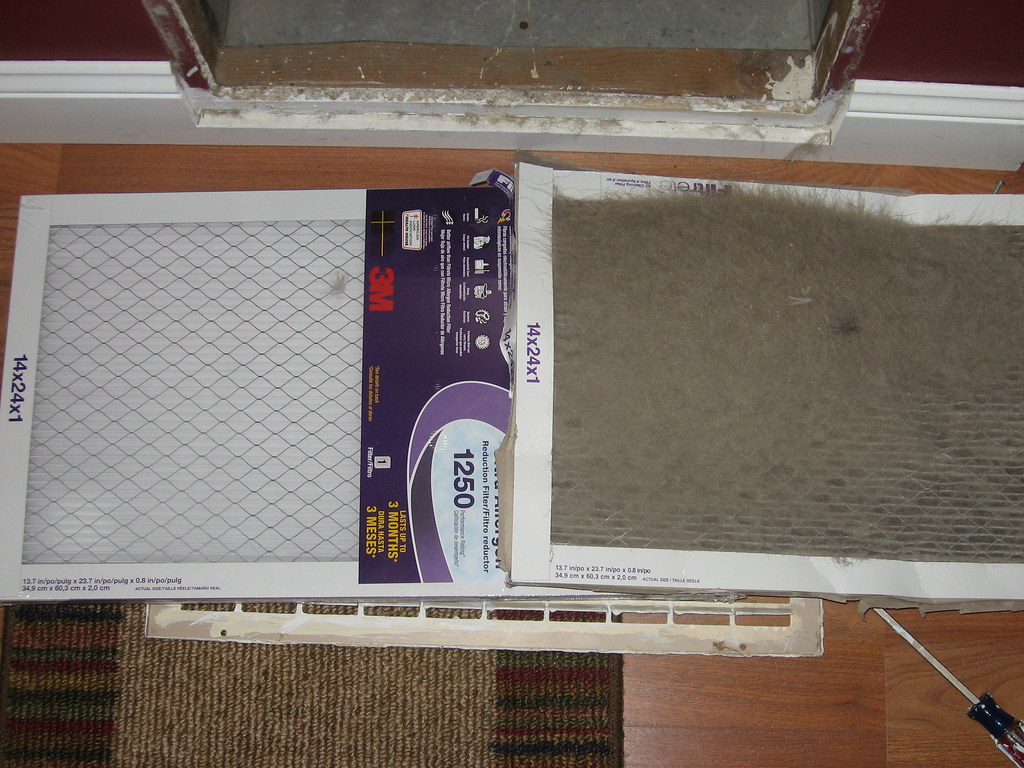
Most no-cool calls in summer are the filter, the outdoor coil, or the condensate drain. You can check all three without gauges.
Filter
Turn the system off at the thermostat. Pull the filter and hold it up to a light. If you cannot see light through it, it is done, even if the calendar says you have another month. The size is printed on the frame. Match the new filter to that size, not the size you remember.
The arrow on the frame points at the blower, which is almost always away from the return grille. A backwards filter still passes air and loads unevenly. If the filter sits in a ceiling or a wall return, look for a second one at the air handler. A lot of systems have both, and only one of them gets changed.
Coil
The outdoor coil is the finned box inside the condenser. Kill power at the disconnect before you open a panel. Most people only need to rinse the outside. Spray from the top down, and from inside the unit outward if you can get the fan panel off safely. Grass clippings packed into the lower half will make the system run all afternoon and never catch the thermostat.
Leave the indoor coil alone. If the filter was missing or packed solid, say so when you call. A coated indoor coil makes the same complaint as low refrigerant: weak cooling, long runtimes, and a high bill.
Condensate drain
The air conditioner pulls water out of the house. That water leaves through a small PVC line near the indoor unit, often with a trap and a cleanout cap. If the line clogs, the pan fills. A float switch then shuts the system off. Systems without a switch send the water through the ceiling.
With the power off, open the cleanout and pour a cup of plain white vinegar, then a cup of water. Do this in the spring, and again in mid-summer if you live where the air stays humid. Skip bleach as a habit. It eats a metal pan and does not clear a slug of slime farther down the line.
If the water comes back at you, stop. The clog is past the cleanout. It needs a wet vacuum or a careful blow-out from someone who will not crack the pan.