Maintenance
What a Furnace and AC Tune-Up Actually Includes
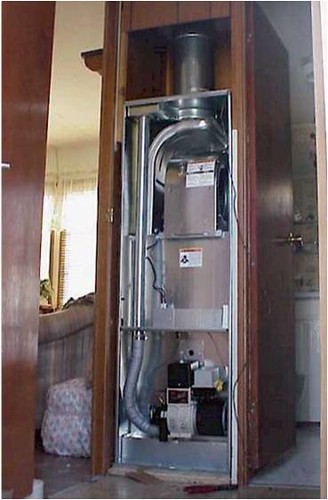
Ask for the numbers when they are done. Temperature split, capacitor reading, and whether the drain actually emptied. If they cannot tell you those, the visit was a coil rinse and a sticker on the cabinet.
Cooling
The filter comes out and the blower wheel gets a look. A dirty wheel moves less air than the cabinet was built for. The outdoor coil should be washed from the inside of the unit outward. A pressure washer aimed straight at the fins bends them flat and blocks the air you were trying to free. The filter, the coil, and the drain are the three things to confirm before anyone talks about refrigerant.
Capacitor and contactor are the parts that fail without much warning. A weak capacitor is why a compressor hums and never starts. The temperature split, supply air versus return air, on a typical central system lands around 16 to 22 degrees. Far outside that, airflow or the refrigerant charge is off.
Pressures get measured when the split, the superheat, or the subcool is wrong. Measuring is part of the job. Adding refrigerant is a repair, and it should be written up as one, with a leak test, not folded into the tune-up price.
The condensate drain, the trap, and the float switch get water poured through them. If the water does not leave, the next hot day is a shutdown or a wet ceiling.
Gas furnace
Burners and the flame sensor get cleaned, not glanced at. The inducer and the vent path get checked. A blocked intake or flue will shut the furnace down on a safety, usually on the coldest night.
The heat exchanger gets inspected for rust, cracks, or soot. A tune-up that never opens a panel did not include that. Temperature rise gets compared with the rating plate on the cabinet. If the shop owns a carbon monoxide meter, ask them to use it in the flue and in the room. Many do.
The invoice
You should leave with the readings, the parts that are failing, and a separate price for a repair next to a price for a new system. A tune-up that ends in a same-day replacement pitch, with nothing written down, was a sales call.
A real visit on one system is often 60 to 90 minutes. Twenty minutes, including the walk from the truck, is a filter change.