Maintenance
How to Keep a Heat Pump Efficient After the Ten-Year Mark
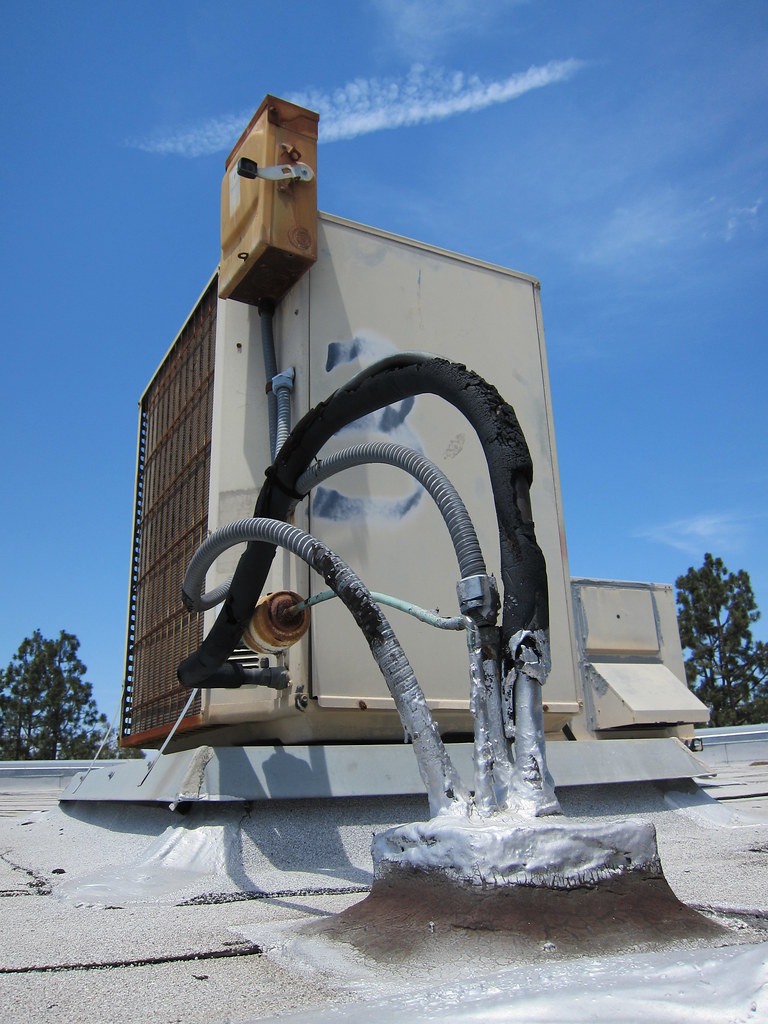
Plenty of heat pumps are still fine past ten years, as long as they were sized for the house and the filter got changed. The small faults cost more after that, because the unit is already working near the limit of what it was built to do.
The outdoor coil
Fins soften and bend with age. Rinse with a garden hose from the inside of the cabinet outward. Do not use a pressure washer. Bent fins block air the same way dirt does, and a heat pump that cannot move air runs longer and calls for backup heat sooner.
Backup heat
Most systems have electric strips, or a gas furnace, that comes on when the outdoor unit cannot keep up or when the thermostat is bumped several degrees at once. In cold weather, raise the setpoint two degrees at a time. A four-degree jump can run the strips for an hour. That charge is what people blame on the heat pump getting old.
Defrost should be occasional in real cold, not constant. If the outdoor unit ices over and stays that way, or if it defrosts every few minutes in mild weather, the board, the sensor, or the charge is off. An older unit icing up all day is a fault, not just age.
Charge and the small parts
Have the charge checked against the manufacturer's subcool or superheat, not against a rule of thumb. Older units leak slowly at valve cores, fittings, and the outdoor coil. A low charge feels like the system just does not heat the way it used to.
If a maintenance visit shows a weak capacitor, replace it then. It is a small part. Left until it fails, it becomes a no-heat call on a Sunday.
When to replace it
A ten-year-old heat pump with a clean coil and the right filter will outperform a new one that is starving for air. Replace it when the repair is a compressor or a coil and the rest of the system is original, or when the same leak has been repaired twice. A brochure that lists ten years as the average life is a weak reason to pull a unit that still heats and cools.